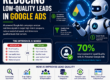

If you own a small business in India, you have likely heard the pitch: open an AI tool, type a prompt, generate 50 blog posts in an afternoon, publish them, and watch the organic traffic roll in.
It sounds like an easy fix for a long-standing challenge. For years, small businesses, local service providers, and startup founders have struggled to maintain a consistent blogging schedule while running daily operations. The promise of automated, fast, and virtually free content creation feels like a breakthrough.
Many business owners across India—from interior designers in Bengaluru to tax consultants in Delhi and digital marketing agencies in Mumbai—have tried this exact approach. They published dozens of AI-generated articles over three to six months.
Yet, when they check their Google Search Console, the results are disappointing. Impressions might show a tiny bump, but actual website clicks remain flat. In many cases, the pages are indexed, but they sit on page five or six of search results, completely invisible to prospective clients.
Why is this happening?
The issue is not that search engines hate artificial intelligence. The real problem is generic, unhelpful, and repetitive content that fails to answer the user’s specific question.
Understanding Content Types: Generic, Assisted, and Expert
To understand why your published pages are not generating leads, it helps to distinguish between the three main ways content is created today.
+-----------------------------------------------------------------------------------+
|                            APPROACHES TO CONTENT CREATION                          |
+----------------------------------+------------------------------------------------+
| Generic AI Content               | • Pure output from raw prompts                 |
|                                  | • Surface-level, repetitive summaries          |
|                                  | • Lacks local context and real experience      |
+----------------------------------+------------------------------------------------+
| AI-Assisted Content              | • AI used for research, structure, or drafts   |
|                                  | • Refined and expanded by a human editor       |
|                                  | • Blends speed with technical accuracy         |
+----------------------------------+------------------------------------------------+
| Expert, Experience-Based Content | • Written by or sourced directly from experts  |
|                                  | • Packed with original data and real insights  |
|                                  | • Matches real user intent and builds trust    |
+----------------------------------+------------------------------------------------+
1. Generic AI-Generated Content
This is content produced purely by typing a basic prompt into a tool and pasting the output directly into WordPress or Shopify without significant editing.
Generic AI content relies on probabilistic pattern matching to predict the next logical word based on data it was trained on. It uses polite, smooth language, but it rarely offers fresh perspectives, original observations, or verified real-world examples. It recycles surface-level facts that already exist on thousands of other pages across the web.
2. AI-Assisted Content
This approach uses AI as a supportive assistant rather than the author.
An experienced strategist might use AI tools to brainstorm initial topics, outline an article’s structure, summarize technical documents, or check prose for grammatical clarity. However, the final draft is deeply shaped, verified, and supplemented by a human writer who adds local context, original examples, precise technical nuances, and direct industry knowledge.
3. Expert-Written, Experience-Based Content
This content comes directly from subject matter experts or writers who interview practitioners in the field.
It draws heavily on firsthand experience, local edge cases, real client scenarios, nuanced trade-offs, and original insights. It includes photographs, custom workflow breakdowns, clear opinions on industry practices, and practical solutions tailored to a specific audience.
Why 100 Generic AI Articles Can Fail to Produce Organic Traffic
Publishing 100 articles on a website seems like a massive effort that ought to be rewarded with search visibility. However, search engines evaluate pages individually and site-wide based on how well they satisfy user requirements.
Here are the main structural and strategic reasons why a high volume of generic AI content fails to turn into qualified traffic.
1. Weak Search Intent Matching
When someone searches for a topic online, they have a precise goal. They might want to buy a product, compare prices, fix a specific operational error, or find a trusted service provider nearby.
Generic AI content tends to answer every topic with a standard overview format: an introductory overview, a history of the topic, five generic benefits, and a brief conclusion.
For example, if a business owner in Chennai searches for “GST registration process for private limited company in India,” they do not want a 500-word introduction on what GST stands for and why taxes are important for the economy. They want:
A step-by-step checklist of specific documents required.
Clear information on turn-around times.
Common filing errors that lead to rejections by regional tax officers.
When an article spends 80% of its word count stating the obvious before touching on the practical answer, users leave the page immediately. Search engines detect these signals and lower the page rank.
GENERIC AI ARTICLE:
[Intro: What is GST?] -> [History of Taxes] -> [Why Taxes Matter] -> [Vague Summary]
RESULT: High bounce rate, lost rankings.

HIGH-INTENT EXPERT ARTICLE:
[Required Document List] -> [Step-by-step Filing Guide] -> [Common Filing Rejections to Avoid]
RESULT: High engagement, clear conversions.
2. Information Redundancy and Lack of Originality
Search algorithms are designed to evaluate whether a newly indexed document offers any information gain compared to documents that already exist in the search index.
If your AI-generated blog post simply summarizes the top five ranking pages on Google without adding new insights, original screenshots, regional regulations, or personal experience, search engines have no compelling reason to rank your page above established competitors. You are presenting an automated paraphrase of existing content.
3. Absence of Firsthand Experience and E-E-A-T
Search engines place heavy emphasis on Experience, Expertise, Authoritativeness, and Trustworthiness (E-E-A-T).
Generic AI tools cannot go out into the physical world, test a piece of equipment, visit a commercial site, negotiate a real-estate contract, or resolve a tricky legal dispute. They synthesize existing text.
When a reader lands on a guide titled “How to Choose the Best Flooring Materials for Bangalore Homes,” they expect practical local insights:
How specific stone types handle high humidity during the monsoon season.
How local clay tiles compare to imported vitrified tiles in wear and cost.
Actual price ranges per square foot in local markets like Chickpet or Indiranagar.
An AI model without localized human input will output safe, generic generalities such as “marble is elegant” and “tiles are easy to clean.” It lacks the concrete, localized detail that establishes genuine authority.
+------------------------------------------------------------------------------------+
|                         LOCAL EXPERIENCE VS. GENERIC CONTENT                       |
+----------------------------+-------------------------------------------------------+
| Generic AI Statement       | "Vitrified tiles are durable and suitable for homes." |
+----------------------------+-------------------------------------------------------+
| Localized Expert Statement | "In Bangalore's monsoon climate, polished vitrified   |
|                            | tiles in ground-floor homes can trap moisture. We     |
|                            | recommend matte-finish anti-skid tiles for areas like |
|                            | Koramangala where groundwater tables are higher."     |
+----------------------------+-------------------------------------------------------+
4. Poor Topical Authority and Keyword Cannibalization
When small businesses use automated prompts to generate dozens of posts, they often end up producing slightly varied versions of the exact same topic.
For instance, an immigration consultant might publish:
“How to Apply for a Canada Student Visa”
“Process for Canada Student Visa Application”
“Canada Study Visa Application Steps”
Instead of building deep topic authority across distinct subtopics, the website creates multiple pages competing against one another for the same keywords. This confuses search engine crawlers regarding which page is the definitive authority, diluting rankings across the entire domain.
5. Ignoring Domain Authority, Internal Structure, and Backlinks
Content quality is only one part of search visibility. Search engines also evaluate:
Overall domain authority and historical trustworthiness.
The structure of your internal links connecting related topics.
External backlinks from reputable, contextually relevant websites.
Publishing 100 posts on a brand-new website with zero backlink profile, broken internal navigation, and slow loading times will not yield sudden page-one rankings. Search engines treat high-volume content on an unproven domain with caution.
What Search Engines Actually Want from Useful Content
Search engines aim to deliver relevant, accurate, and satisfying answers to searchers as quickly as possible. Understanding this helps clarify what makes content rank.
                  +-----------------------------------+
                  |   WHAT SEARCH ENGINES REWARD      |
                  +-----------------------------------+
                                    |
     +------------------------------+------------------------------+
     |                              |                              |
     v                              v                              v
+-----------------------+ +-----------------------+ +-----------------------+
| Comprehensive Intent  | | Verified Accuracy     | | Direct Usability      |
| Direct, complete      | | Fact-checked,         | | Clear headings, fast  |
| answers that address  | | context-appropriate  | | layouts, accessible  |
| user queries fully.   | | details.              | | steps.                |
+-----------------------+ +-----------------------+ +-----------------------+
To meet search engine guidelines, your content should display clear indicators of quality:
Direct Answers First: The core question should be answered clearly in the body of the article without forcing the reader to scroll past fluff.
Factual Precision: Claims, statistics, laws, and regulations must be accurate and up to date.
Demonstrated Subject Expertise: The writing should reflect an understanding of real-world trade-offs, practical steps, and edge cases.
Logical Structure: Clear H2 and H3 subheadings, tables, and structured lists help readers scan and locate information easily.
Original Value: The page should offer unique insights, local context, downloadable checklists, or proprietary data that cannot be found elsewhere.
How to Fix Generic AI Content on Your Website
If your site already has dozens of underperforming, AI-generated blog posts, you do not need to delete everything and start over. You can systematically audit, upgrade, and consolidate your existing pages to transform them into traffic-generating assets.
STEP 1: AUDIT           Identify pages with low clicks and high impressions in Search Console.
  │
  ▼
STEP 2: CONSOLIDATE     Merge overlapping articles into comprehensive guides; redirect old URLs.
  │
  ▼
STEP 3: ENRICH          Add local examples, real client cases, original images, and price details.
  │
  ▼
STEP 4: STRUCTURE       Fix search intent, rewrite intros, add clear H2/H3 headings and internal links.
Step 1: Conduct a Content Performance Audit
Log into Google Search Console and navigate to the Performance report. Set the time frame to the last 3 or 6 months. Filter your pages by clicks and impressions.
Look for pages that fall into these categories:
High Impressions, Low Clicks: The topic is in demand, but your title, meta description, or ranking position is pulling down click-through rates.
Low Impressions, Zero Clicks: Search engines have evaluated the page and determined it lacks sufficient authority, context, or relevance to serve to users.
Step 2: Merge Overlapping Articles
If you have four short, generic articles covering slightly different angles of the same topic, merge them into one comprehensive, authoritative resource.
Pick the URL that currently holds the highest historical impressions or best backlinks as your primary page.
Combine the unique details from the other posts into this primary article.
Set up 301 permanent redirects from the old, redundant URLs to the consolidated primary URL.
Delete the weak duplicate pages.
Step 3: Inject Real-World Experience and Localized Data
Take your remaining core pages and enrich them with information that an AI language model cannot guess or simulate:
Local Pricing: Add actual cost figures in Indian Rupees (INR) for services, labor, materials, or consultation fees relevant to your local market.
Case Scenarios: Describe real client projects, challenges faced, and how your team resolved them.
Original Media: Replace stock photos with genuine photos of your office, team, finished work, or step-by-step processes.
Regulatory Context: Include specific Indian laws, municipal guidelines, tax codes, or local compliance requirements relevant to your industry.
Step 4: Fix Search Intent and Intro Paragraphs
Cut long, introductory disclaimers and historical overviews.
If your article is titled “How to Apply for a Food License (FSSAI) in Maharashtra,” open the article with a clear summary:
Who needs the license.
The official portal URL.
Expected timeline and registration fees.
Place detailed checklists, eligibility criteria, and step-by-step processes under descriptive H2 and H3 headings directly below the introduction.
Step 5: Build Practical Internal Linking
Connect your blog posts to relevant service pages and supporting articles across your website using natural, descriptive anchor text.
For instance, within a blog post about “Commercial Office Interior Design Trends in Pune,” naturally link to your dedicated commercial interior design service page using descriptive text like “our commercial interior design services in Pune,” rather than generic phrases like “click here.”
Should You Stop Using AI for SEO Content?
No. Completely abandoning AI tools is neither necessary nor practical for modern content marketing. The key is shifting your mindset from AI-generated content to AI-assisted publishing.
+-------------------------------------------------------------------------------------+
|                                BALANCED USE OF AI TOOLS                             |
+------------------------------------+------------------------------------------------+
| WHAT AI SHOULD DO                  | WHAT HUMANS MUST DO                            |
+------------------------------------+------------------------------------------------+
| • Brainstorm broad topic clusters  | • Verify all legal, financial, and local facts |
| • Draft initial article outlines   | • Add real client stories and case studies     |
| • Summarize long technical inputs  | • Ensure correct localized search intent       |
| • Spot grammatical errors and gaps | • Align recommendations with real business services|
+------------------------------------+------------------------------------------------+
Effective Ways to Use AI:
Research and Brainstorming: Use AI to generate subtopic ideas, identify common user questions, and outline potential article structures.
Drafting Assistance: Use AI to draft initial paragraph variations for standard technical definitions or rephrase complex jargon into simpler terms.
Proofreading and Grammar Checks: Use AI tools to review your final drafts for readability, passive voice, and typos.
What Must Remain Human:
Fact Verification: Check every law, technical specification, historical reference, and stat manually. AI models can state incorrect information confidently.
Strategic Alignment: Ensure the recommendations in the article align with your actual service offerings, business capabilities, and target audience needs.
Voice and Tone: Inject personality, real-world commentary, and regional nuance that builds genuine rapport with readers.
Frequently Asked Questions
1. Does Google penalize websites for using AI-generated content?
Google does not automatically penalize content simply because it was generated using artificial intelligence. Search engine guidelines focus on content quality, accuracy, and usefulness to the reader rather than the creation tool. However, if AI content is published at scale to manipulate search rankings without adding value, it will struggle to rank well.
2. How many blog posts should a small business publish each month?
There is no fixed quota required for ranking success. Publishing two to four thoroughly researched, highly practical articles per month that solve specific customer problems will yield far better organic traffic and qualified leads than publishing 30 unedited, low-quality AI articles.
3. Why are my AI articles indexed in Google Search Console but getting no traffic?
Indexation simply means search engine bots have found and recorded your page in their database. It does not guarantee high placement on search results pages. If search engine algorithms evaluate your page as repetitive or lacking unique depth compared to existing results, the page will sit on lower search pages where searchers rarely click.
4. Can updating old AI blog posts restore lost search visibility?
Yes. Updating older, low-performing posts is often the fastest way to improve organic traffic. By consolidating duplicate articles, adding current local data, fixing search intent, and including real-world expertise, you can significantly improve the quality score and search visibility of existing URLs.
5. How long does it take to see traffic improvements after fixing generic content?
Search engine re-indexing and ranking updates take time. After updating your content, improving internal links, and submitting updated XML sitemaps in Search Console, noticeable improvements in impressions and keyword rankings typically appear within 4 to 12 weeks, depending on domain age and competition.
Conclusion: Quality and Local Relevancy Always Win
The rise of accessible AI tools has made content generation effortless. However, it has also flooded the internet with thousands of nearly identical, surface-level articles.
For small business owners, startups, and service providers in India, this presents a distinct competitive opportunity. While competitors continue to pump out unedited, generic AI output, you can win organic market share by publishing content that displays real experience, offers accurate local insights, and directly answers user needs.
Stop treating your website blog as a volume game. Shift your focus to clarity, technical precision, and genuine customer utility. Inspect your analytics, audit underperforming pages, enrich your content with real expertise, and build a web presence that turns casual searchers into paying clients.